

Swimming pools are a highlight of warm weather in Arizona, offering relaxation and a welcome break from the summer heat. Yet the same amenities that make pools enjoyable also introduce serious safety concerns and potential legal exposure for property owners. Understanding the intersection of pool safety, premises liability, and property maintenance can help reduce risks for visitors and protect owners from avoidable legal challenges.
For homeowners and property managers in the Scottsdale and Phoenix areas, recognizing the responsibilities that come with pool ownership is essential. Accidents can occur without warning, and when they do, the resulting injuries may create significant legal and financial consequences. By staying informed and proactive, property owners can create safer environments while limiting the potential for claims.
Why Pool Areas Require Heightened Awareness
While pools enhance curb appeal and increase property value, they also present unique dangers. Drowning incidents, slips on wet surfaces, diving accidents, and equipment failures remain among the most common risks. Even minor maintenance issues or brief moments of inattention can result in serious harm.
These incidents often fall under premises liability, a legal framework that requires property owners to keep their premises reasonably safe. If unsafe conditions are not addressed and someone is injured as a result, the owner may be liable for damages.
To establish liability, an injured individual generally must show that a hazardous condition existed, that the owner knew or should have known about it, that the hazard was not corrected or communicated, and that the unsafe condition directly contributed to the injury. Understanding these elements allows property owners to take preventative measures to minimize risks.
Understanding Hidden Versus Obvious Risks
A key factor in premises liability cases is whether a danger was easily noticeable or concealed. Property owners are typically not required to warn guests about hazards that would be apparent to the average person—for example, the inherently slippery nature of wet pool decks.
However, hidden dangers create a heightened duty of care. These may involve issues beneath the surface or problems that are not immediately visible to guests. Examples include:
- Damaged or insecure pool ladders
- Defective drains that pose suction hazards
- Broken or loose underwater tiles
- Sudden changes in depth that are not clearly marked
Unaddressed hidden hazards significantly increase the likelihood of serious injury and can form the basis of a negligence claim. Regular pool inspections and consistent maintenance help identify problems before they cause accidents.
Why Children Require Added Protection
Pools are especially appealing to children, who may not recognize the dangers associated with water. Because of this, many states apply the “attractive nuisance” doctrine, which requires property owners to take additional precautions to prevent children from reaching hazardous areas.
Swimming pools generally fall within this category. Even if a child enters a property without permission, owners may still be held responsible if reasonable safety measures were not in place to prevent access.
Common safety precautions include:
- Installing secure fencing at least four feet high
- Ensuring gates close and latch automatically
- Using door alarms or pool alarms when required by local regulations
If a child gains access to the pool area and is injured, courts will closely evaluate whether the property owner implemented appropriate safeguards.
Practical Safety Measures for Pool Owners
Consistent safety habits can significantly reduce the risk of pool-related incidents. Property owners can strengthen safety practices through several key steps.
- Control access to the pool area. Install sturdy fencing or physical barriers, and ensure gates are self-latching to prevent unaccompanied entry.
- Maintain equipment regularly. Pools rely on functioning ladders, drains, pumps, slides, and covers. Regular checks help ensure these components remain safe for use.
- Address concealed hazards quickly. Issues like poor lighting, submerged debris, damaged surfaces, or loose tiles should be repaired or disclosed immediately.
- Provide active supervision. Designating a responsible adult to observe swimmers—especially children—helps prevent accidents that can occur in seconds.
These practices enhance safety while also helping demonstrate that reasonable measures were taken should a liability claim arise.
Equipment Responsibilities and Potential Liability
The condition and installation of pool equipment play a major role in minimizing risks. Malfunctioning drains may create dangerous suction forces, and broken ladders or unstable slides can result in falls or other injuries. Faulty or improperly secured covers may also lead to accidental submersion.
Responsibility for equipment-related injuries does not always rest solely with property owners. In some cases, manufacturers, installers, or distributors may share liability if defective products contributed to the accident. Ensuring that equipment is installed correctly, properly maintained, and routinely inspected is critical for reducing these risks.
The Importance of Adequate Insurance Coverage
Because pools increase exposure to potential liability claims, reviewing insurance coverage is an important part of pool ownership. Many homeowners’ policies require disclosure of a swimming pool, and failure to do so may affect coverage following an accident.
It is also important to review liability limits, particularly for those who host social gatherings frequently. Some property owners opt to purchase umbrella insurance for added protection beyond a standard homeowners policy.
Understanding how insurance applies to pool incidents ensures property owners are properly protected in the event of an injury or claim.
Responding Appropriately When an Incident Occurs
Despite best efforts, pool accidents may still happen. When an incident occurs, immediate steps should focus on safety and proper documentation.
Seek medical care for anyone who is injured, then gather information about what happened. Documenting the scene and speaking with witnesses can help preserve important details. Property owners should avoid making statements about fault until all facts are known. Consulting an attorney can help clarify legal responsibilities and outline next steps.
Swimming pools can provide years of enjoyment but also require ongoing attention to safety, maintenance, and legal responsibilities. For property owners who have questions regarding pool safety, premises liability, or potential claims, seeking legal guidance can help protect their rights and reduce risk.
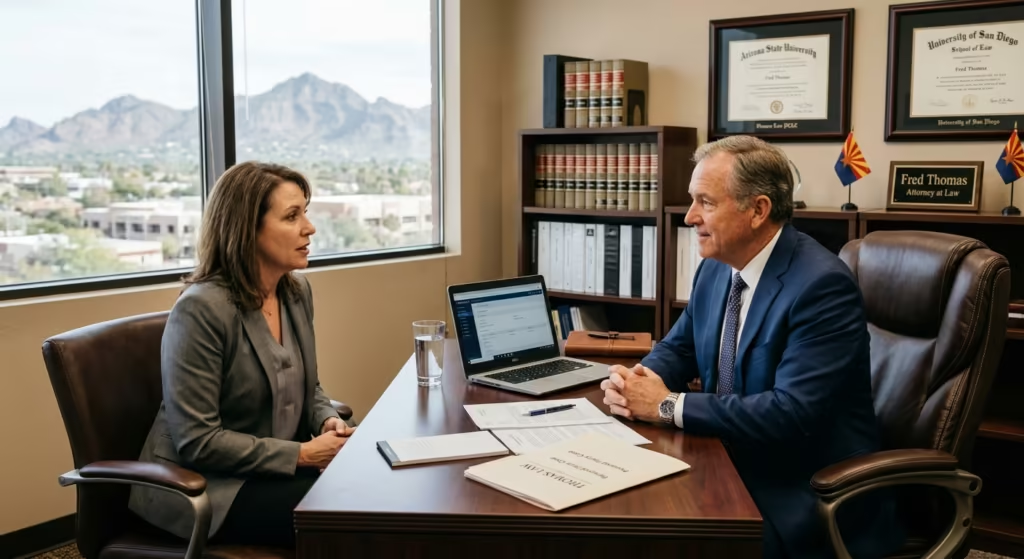
Personal injury accidents can leave people feeling overwhelmed, uncertain, and unsure of what steps to take next. Acting quickly and having the right guidance is essential for protecting your rights. With timely decisions and informed support, injury victims can better navigate the complex process of pursuing compensation. It can be difficult understanding personal injury claims and your legal options.
A prompt response after an accident helps preserve crucial details, strengthens your claim, and allows you to seek the legal services needed to move forward with confidence.
The Importance of Acting Quickly After an Injury
Reaching out to legal support soon after an accident is one of the most effective ways to safeguard your rights. Memories fade, evidence can become harder to obtain, and speaking too freely with insurance claims adjusters may unintentionally harm your case. Taking early steps ensures your recollection of events is clear and strengthens your position under Arizona law.
The Role of a Personal Injury Attorney
Working with an experienced Scottsdale attorney or Phoenix lawyer can significantly increase the likelihood of obtaining fair compensation. Legal professionals trained in personal injury law understand how to evaluate the true value of a claim, negotiate effectively, and identify the factors that can influence your recovery. Their knowledge becomes especially valuable when calculating damages or responding to complex case stages.
Navigating Insurance Company Interactions
Insurance companies may present documents or request statements that are not always in your best interest. Without legal guidance, it is easy to settle for far less than you deserve. Seeking advice before signing anything helps ensure your rights are fully protected and prevents missteps that could weaken your case.
Understanding the Duration and Complexity of Injury Cases
Some personal injury cases resolve quickly, while others require more time due to medical evaluations, investigations, or civil litigation developments. Remember that the other person’s insurance is not looking out for your interest. Having steady legal representation ensures that every detail is managed properly, even when the process becomes lengthy or complicated. An attorney equipped to handle challenges—especially one with experience as a pro tem judge—can provide reassurance and clarity throughout your matter.
With professional support, injury victims can avoid common pitfalls and better protect their interests. Acting early, staying informed, and working closely with legal counsel can make a meaningful difference in the outcome of your case. Those affected by an accident should consider speaking with a personal injury attorney promptly to explore their options, safeguard their rights, and pursue the compensation they may be entitled to.